Description
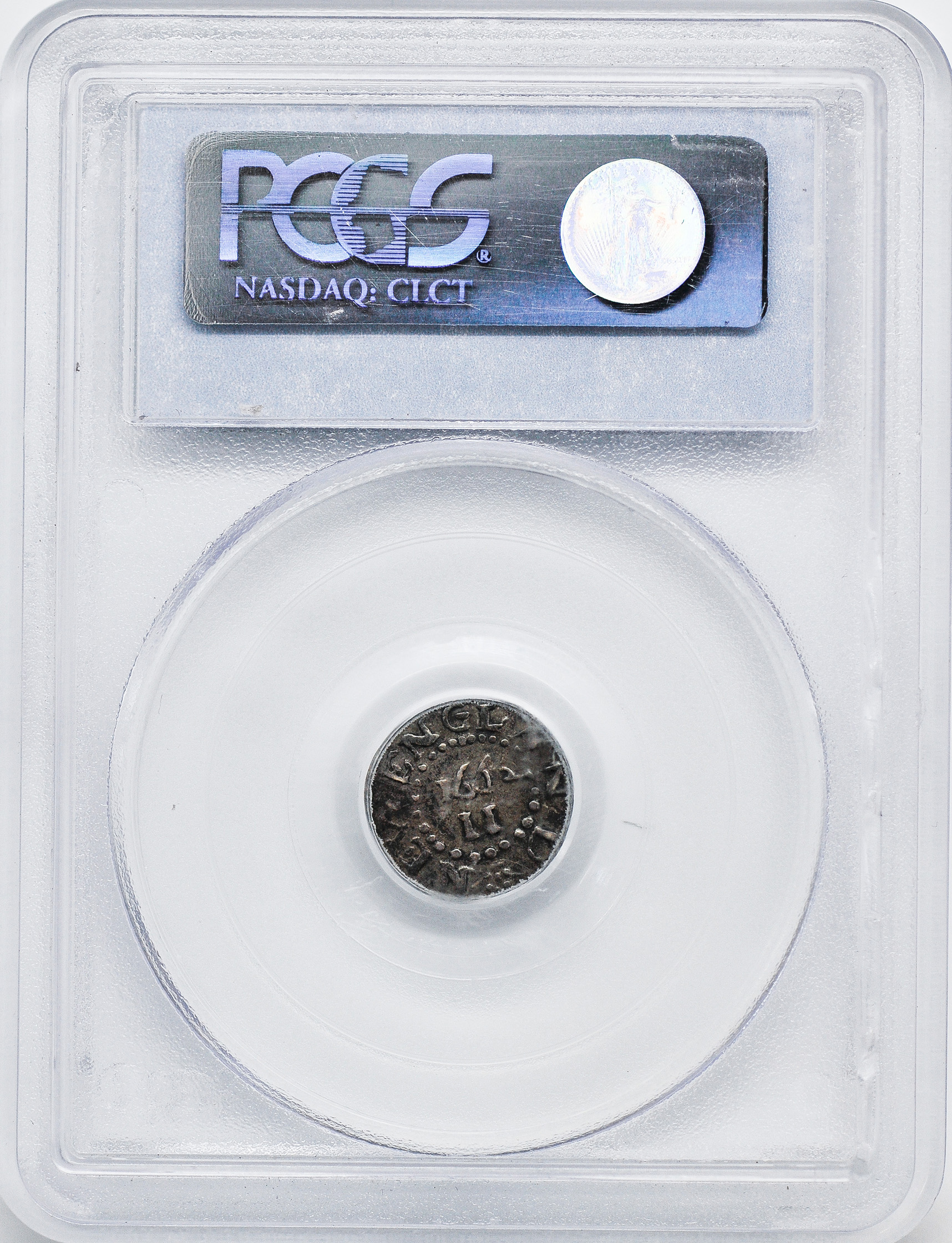
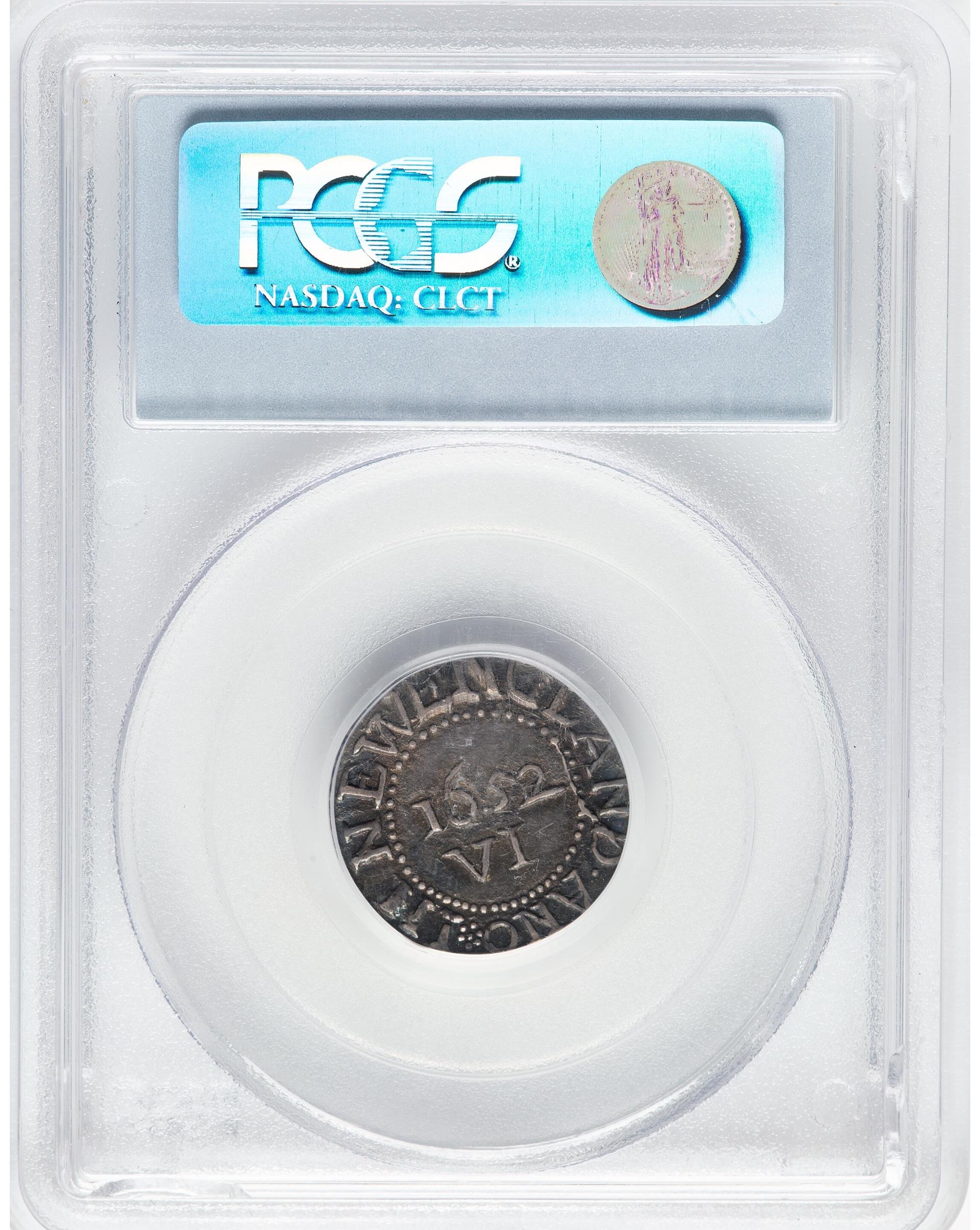
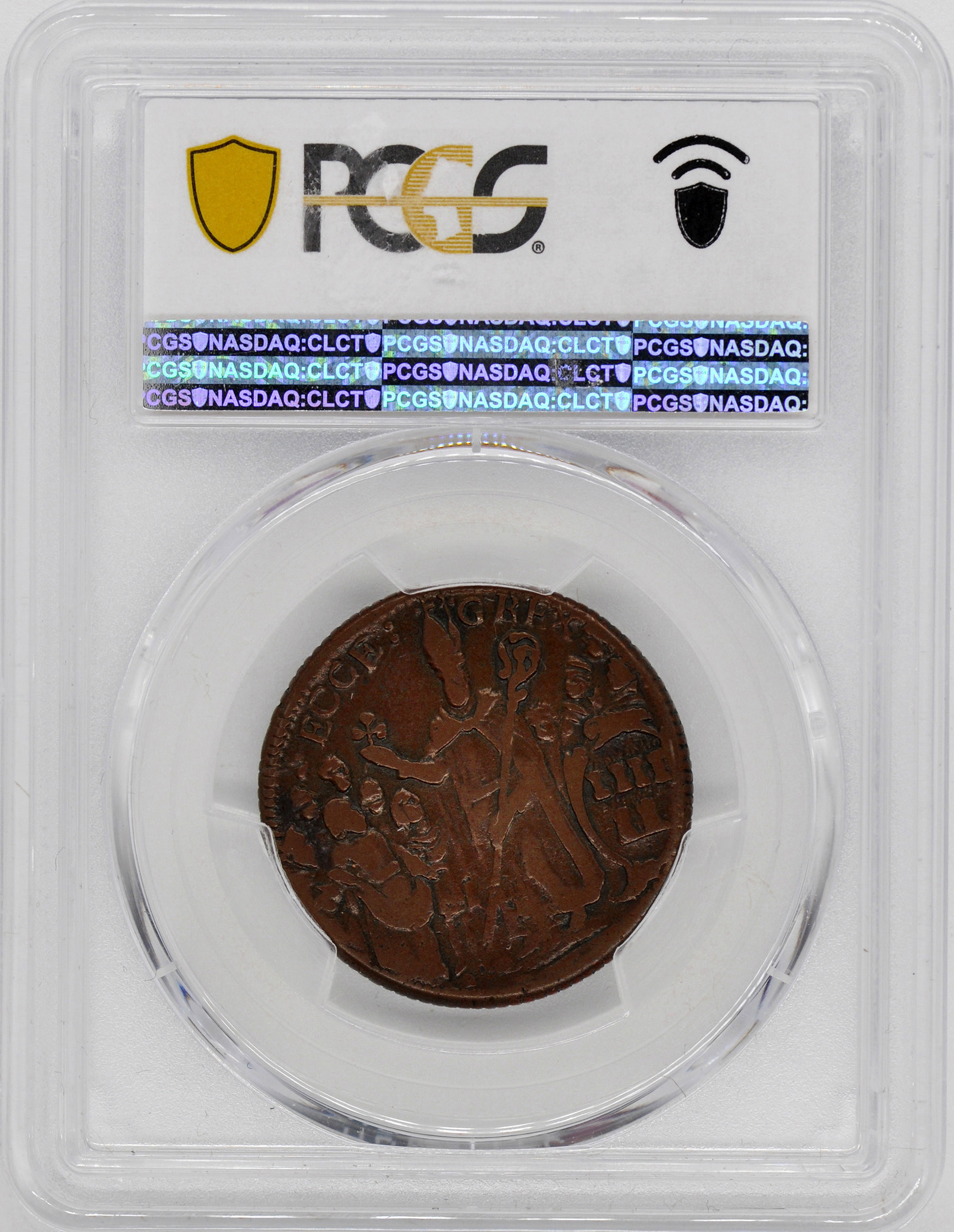
IN ON REVERSE. VERY CHOICE SURFACES WITH OLIVE GREEN AND ROS ROSE PATINA LAYERED NICELY OVER LUSTROUS SURFACES. RARITY-5. SOLE HIGHEST GRADED. FORD PEDIGREE. The Oak Tree Sixpence of Massachusetts Bay Colony are believed to have been struck sometime circa 1660-1667, and perhaps on several different occasions. The reason for the design change from the Willow Tree to the Oak Tree seems to have been associated with the arrival of a screw press in the colony, as well as the Generall Court's issuance of a new contract to coiner John Hull. Suitable steel for making dies remained in short supply, however, and many Oak Tree Sixpence that have survived show evidence of having been struck from worn and/or extensively reworked dies. There are two major varieties of this type: the IN on Reverse, of which only a single die marriage is known; and the IN on Obverse, with at least five die marriages/die states. The silver coins of Massachusetts Bay Colony are among the most important and historically significant numismatic items in all of American history. They are the first coins struck in the 13 Colonies, and they represent perhaps the first instance of American colonists acting in defiance of the British crown. The royal charter granted to the founders of Massachusetts Bay Colony did not specifically grant the right to coin money, and the Generall Court had to wait until King Charles I was beheaded (1649) and his royalist supporters defeated at the Battle of Worcester (1651) during the English Civil War before taking this bold step.