Description
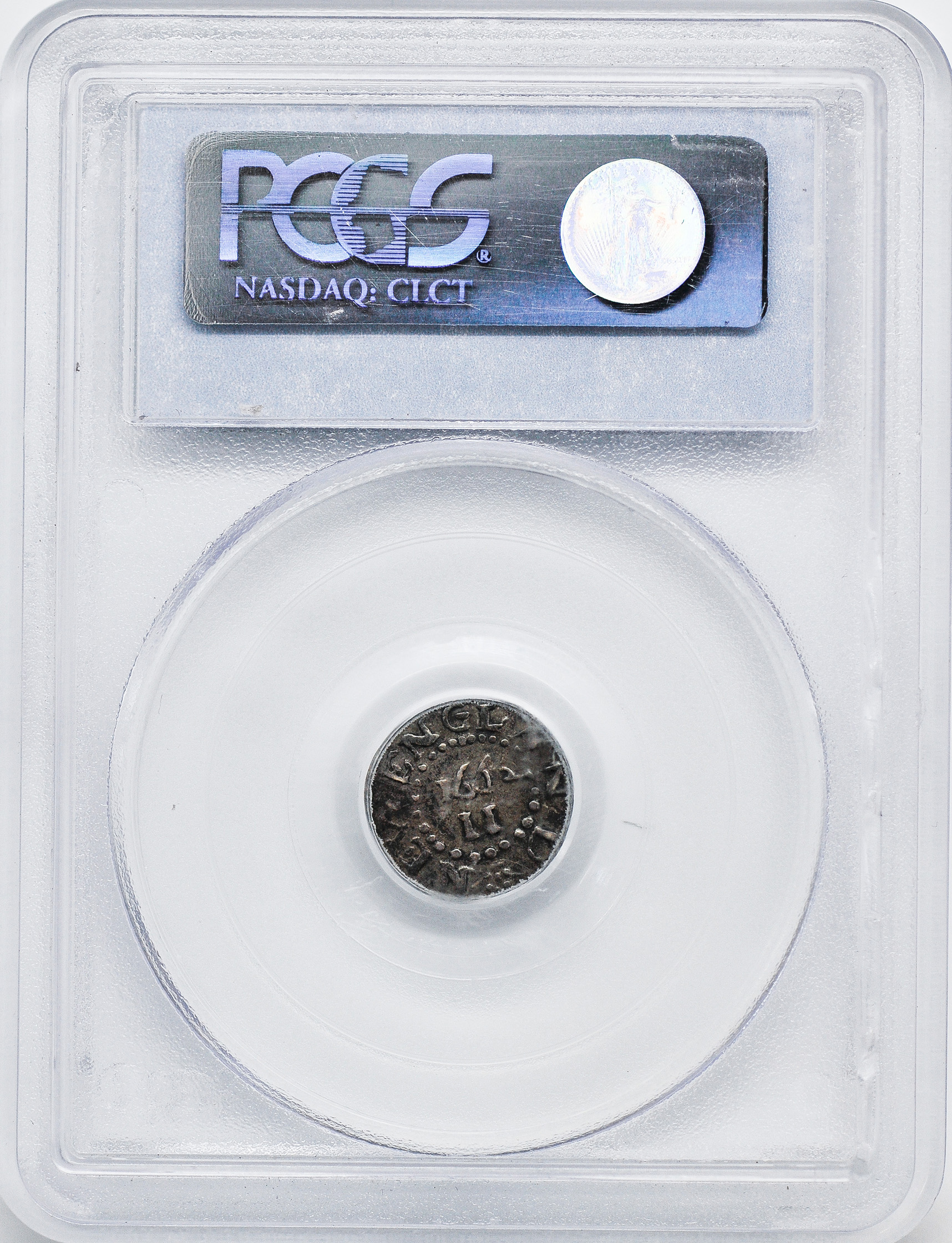
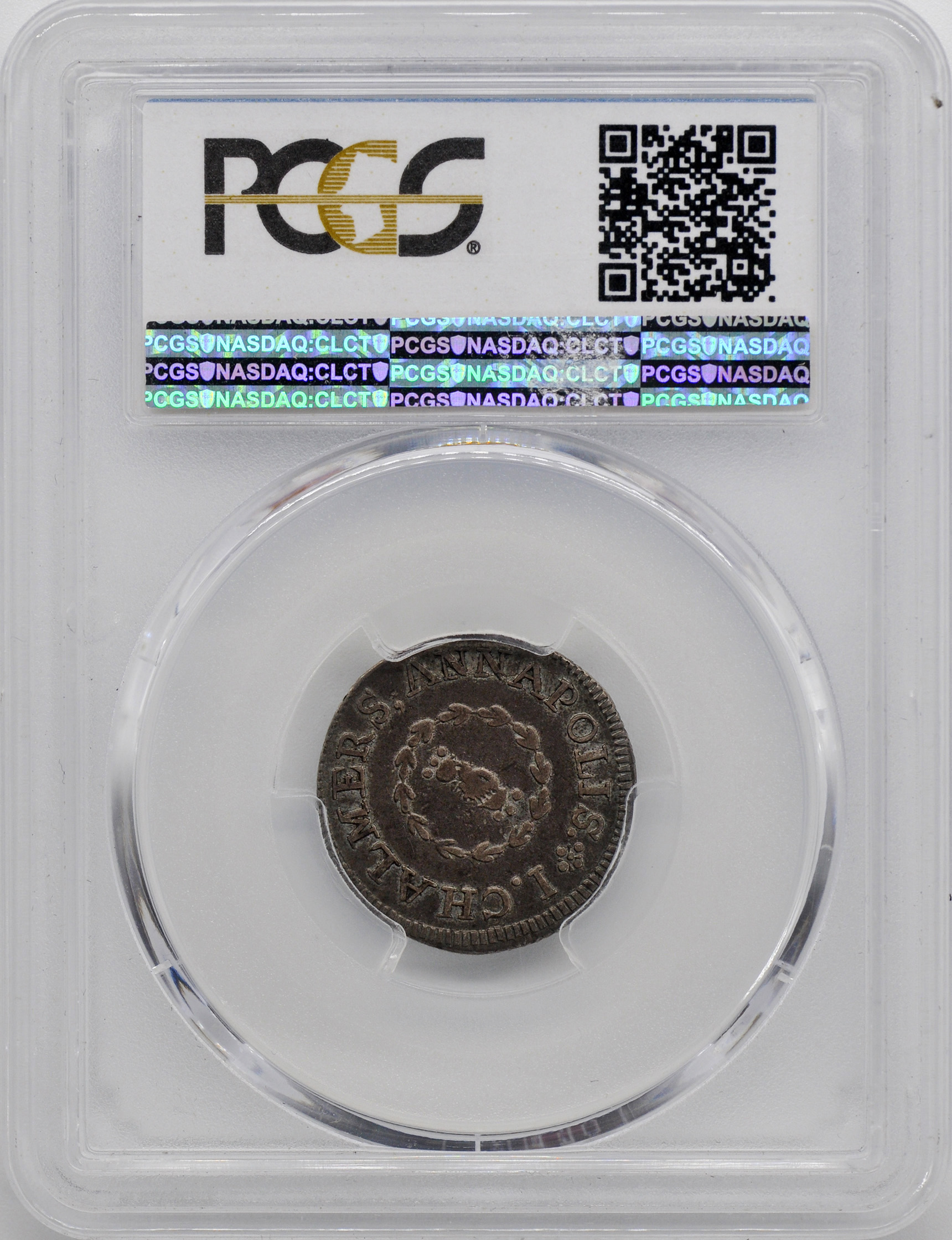
WELL STRUCK WITH ONLY A TINGE OF EVEN WEAR. CAC. The authorizing contract between the Generall Court of Massachusetts Bay Colony and coiner John Hull stipulated that the Oak Tree Twopence could be struck for a period not to exceed seven years. Apparently, this freedom of action was not granted in the case of the Oak Tree Threepence, Oak Tree Sixpence or the Oak Tree Shilling, with the result that the Twopence was most likely produced in greater quantities than the other three denominations of this design. Exactly how many Oak Tree Twopence were produced remains a matter of conjecture, although Walter Breen (1988) estimates that the single pair of dies used for this type could have struck as many as 5,000-10,000 coins. The vast majority of extant 1662 Oak Tree Twopence that we handle are circulated, but even such pieces enjoy strong demand among both specialists in Massachusetts Bay Colony and more generalized collectors of Colonial-era coinage. The silver coins of Massachusetts Bay Colony are among the most important and historically significant numismatic items in all of American history. They are the first coins struck in the 13 Colonies, and they represent perhaps the first instance of American colonists acting in defiance of the British crown. The royal charter granted to the founders of Massachusetts Bay Colony did not specifically grant the right to coin money, and the Generall Court had to wait until King Charles I was beheaded (1649) and his royalist supporters defeated at the Battle of Worcester (1651) during the English Civil War before taking this bold step.