Description
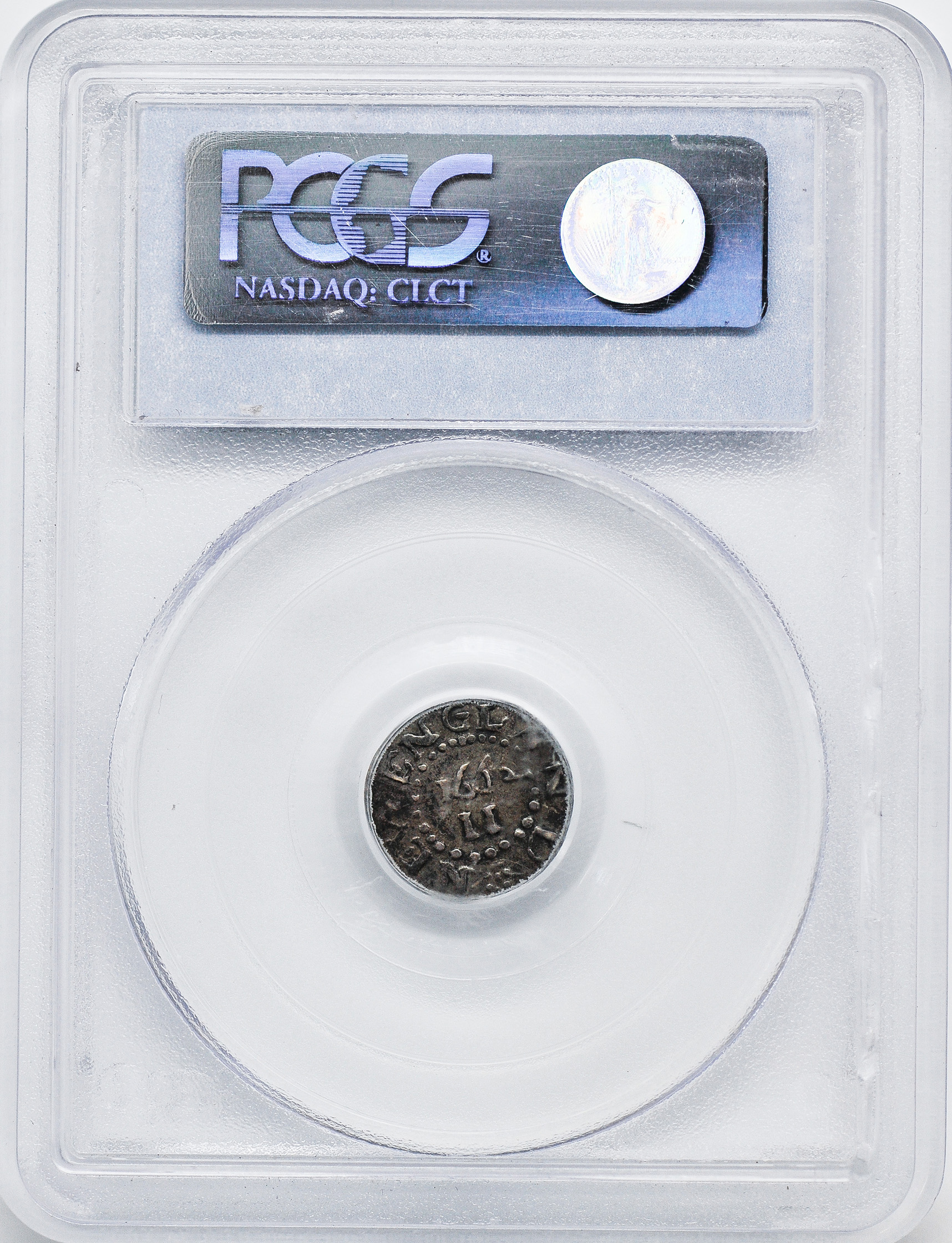
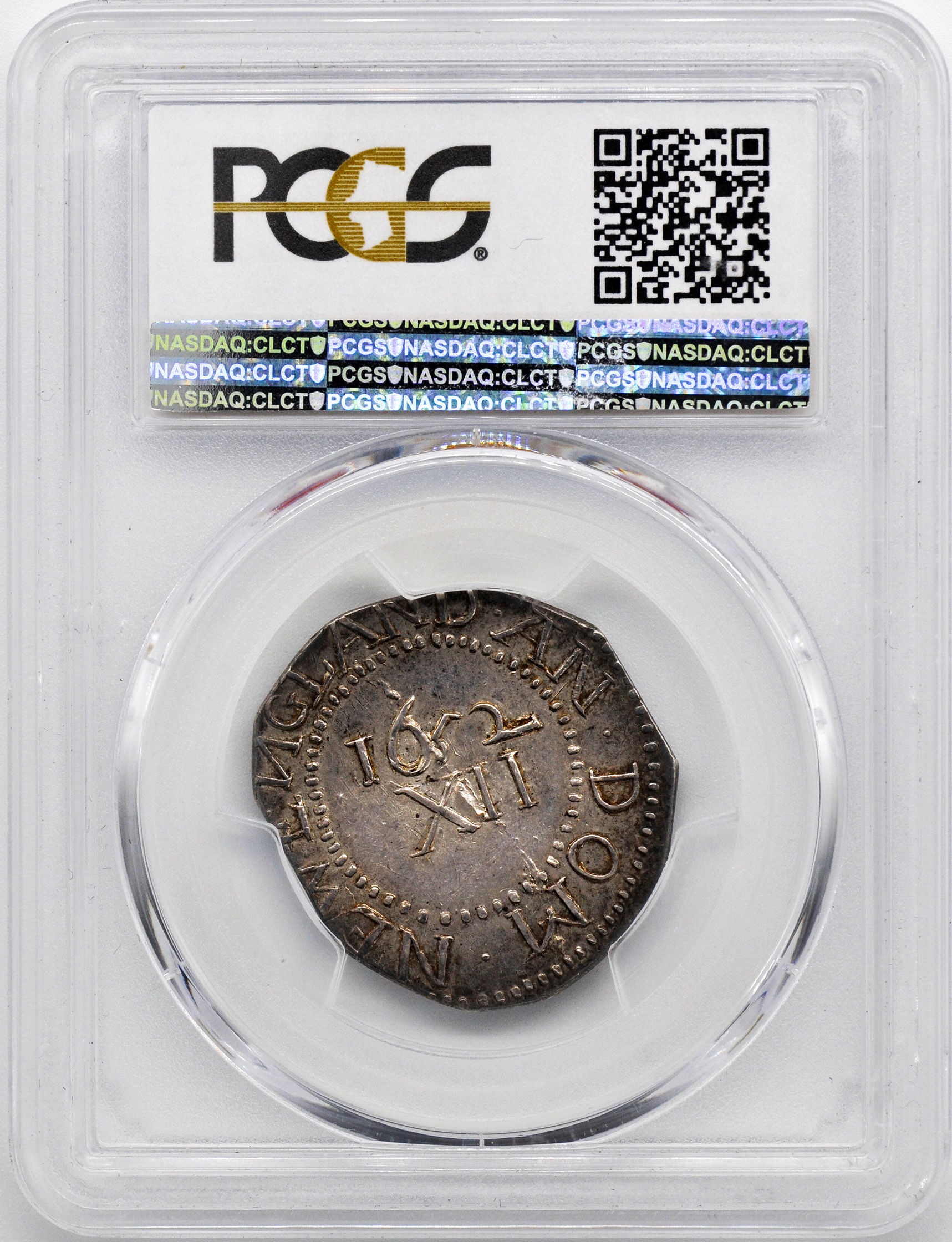
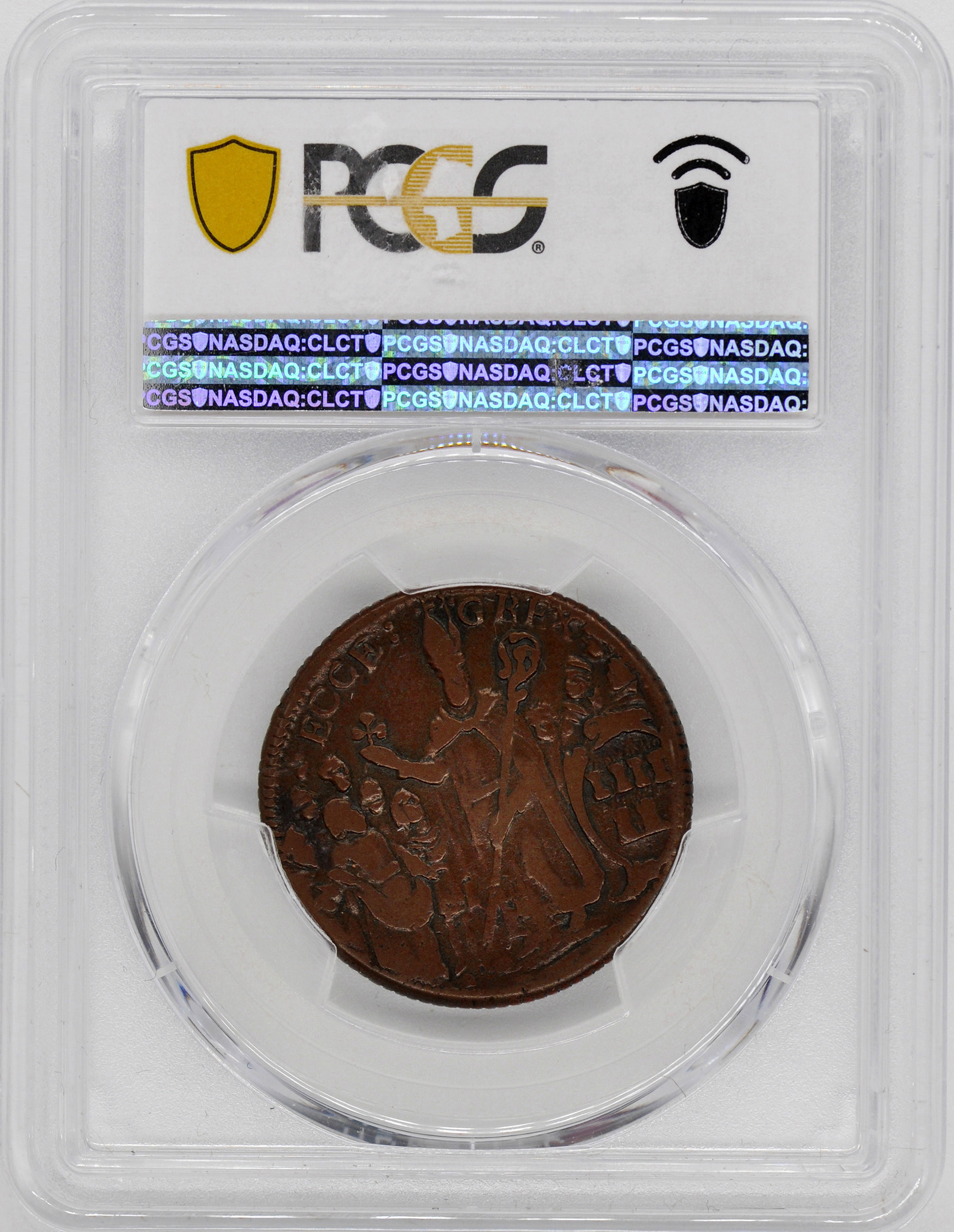
LARGE PLANCHET, NO PELLETS. JUST TWO GRADED HIGHER AT PCGS. RARITY-6. The Generall Court of Massachusetts Bay Colony issued a second seven-year contract to coiner John Hull in 1660. At around the same time, the first screw press arrived in the colony, allowing the production of higher-quality coins. Beginning this year and going through 1667, John Hulls Mint on "The Great Street" (now Washington Street, near Summer Street, Boston) struck Shillings of the Oak Tree design. Exactly how many examples were delivered is unknown, but only a small percentage of the original mintage has survived in all grades. When encountered in todays market at all, the 1652 Oak Tree Shilling is apt to be well worn, damaged and/or bent, the latter from being used as "witch pieces" during the 1692 Salem Witch Panic. Problem-free coins in the higher circulated grades are scarce, while those that grade Mint State are very rare. The silver coins of Massachusetts Bay Colony are among the most important and historically significant numismatic items in all of American history. They are the first coins struck in the 13 Colonies, and they represent perhaps the first instance of American colonists acting in defiance of the British crown. The royal charter granted to the founders of Massachusetts Bay Colony did not specifically grant the right to coin money, and the Generall Court had to wait until King Charles I was beheaded (1649) and his royalist supporters defeated at the Battle of Worcester (1651) during the English Civil War before taking this bold step.