Description
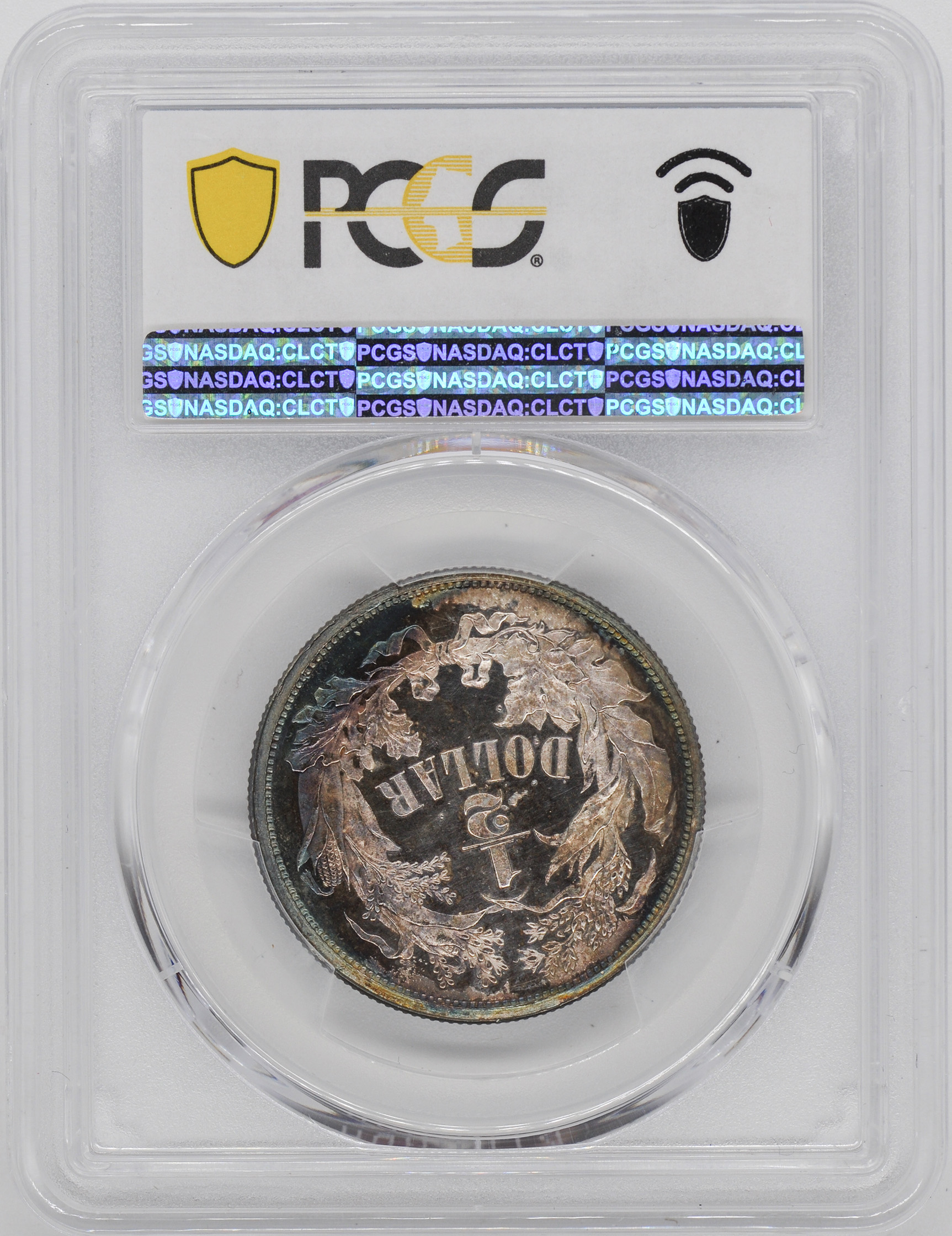
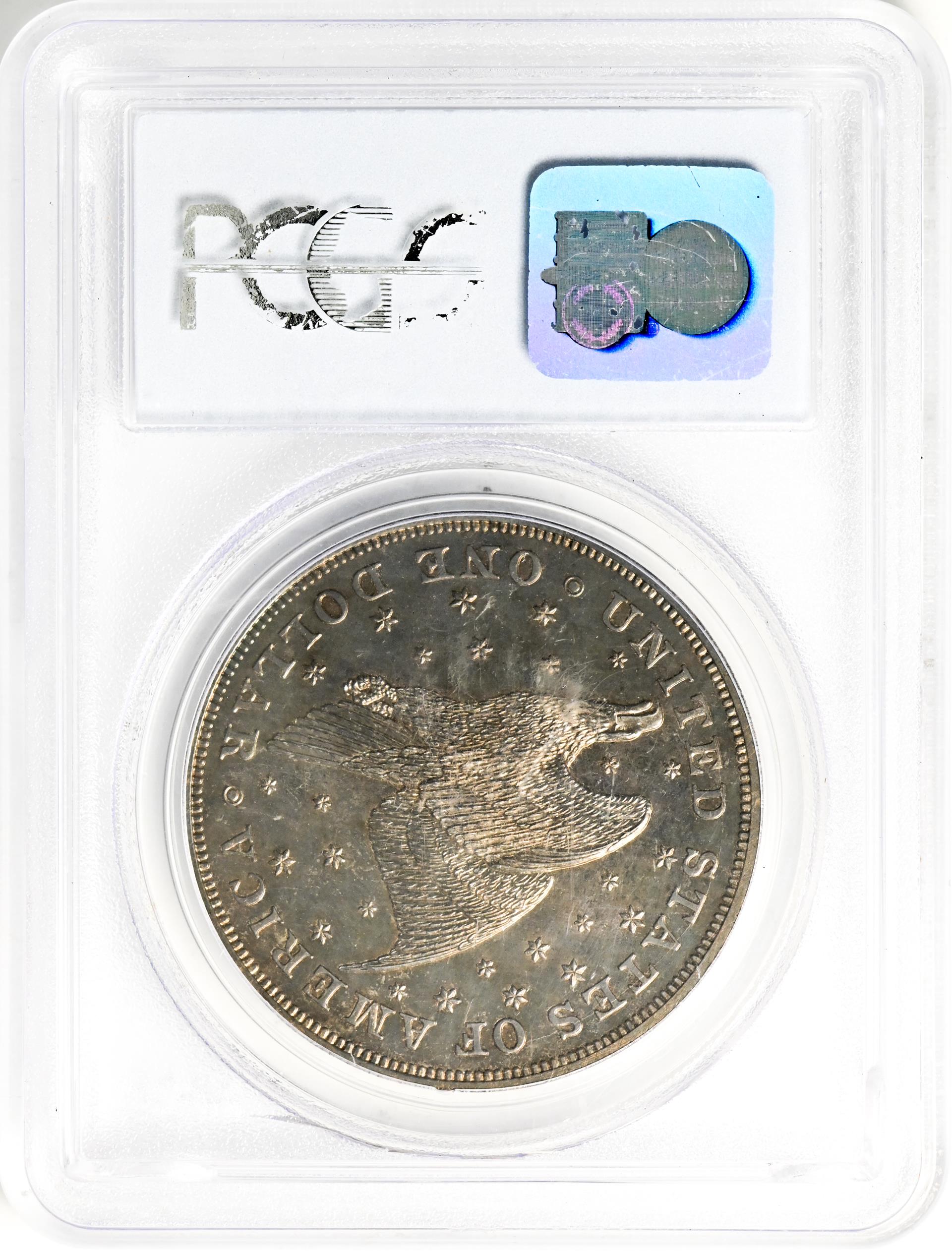
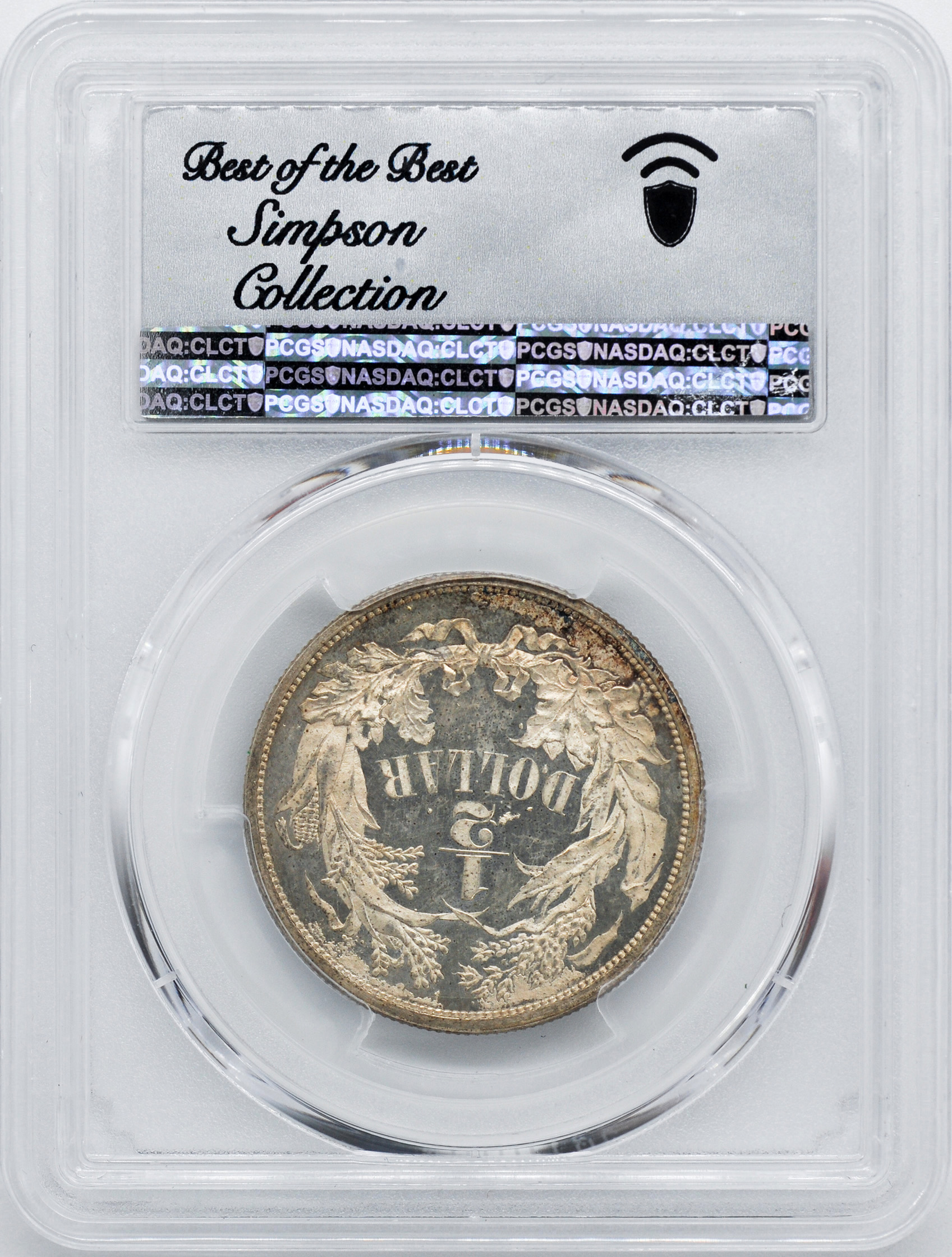
JUDD-60 RESTRIKE. GEM LUSTROUS SURFACES ENHANCED WITH A LIGHT AQUAMARINE PATINA. NAME ON BASE. As the first Silver Dollar struck since the earliest years of the 19th century, the 1836 Gobrecht Dollar has long been popular with numismatists. The popularity of the 1836 Name on Base (Judd-60) type was so strong even by the late 1850s that Mint personnel produced restrikes beginning circa 1857 for distribution to collectors that had not been able to acquire one of the originals struck in December 1836 or March 1837. The fabric of these restrikes is difficult to unravel, and much of what has been written by numismatic scholars in earlier decades has since been proved wrong. In fact, research conducted by Mike Carboneau and Jim Gray beginning in the late 20th century has proved that the only restrikes of the 1836 Judd-60 type are those pieces struck in Die Alignment III (coin turn with the eagle flying level in the field). Some of these pieces also show varying degrees of reverse die cracks (as struck) through the letters NITED STATES O in the legend and OLLA in the denomination. All Judd-60 Restrikes were probably produced during one of three different striking periods: 1. 1857-1860 during Colonel James Ross Snowden's tenure as mint director. 2. 1867-1869 during Henry R. Linderman's first term as mint director. 3. 1873-1878 during Henry R. Linderman's second term as mint director. Since these coins are not part of a regular Mint issue, the exact number of restrikes produced using the 1836 Judd-60 Gobrecht Dollar dies is unknown. Additionally, we are not able to provide a reasonable estimate on the number of coins that have survived since PCGS has only recently (early 21st century) started to adopt Carboneau and Gray's research on these coins into their attribution system for Gobrecht Dollars. As such, some examples attributed as Judd-60 Restrike on the PCGS insert may be (Second) Originals in Die Alignment II or IV that were produced in March of 1837. Further muddying the waters is NGC's policy of simply listing the Judd-60 attribution on the insert while not designating whether the coin in question is an original or a restrike.