Description
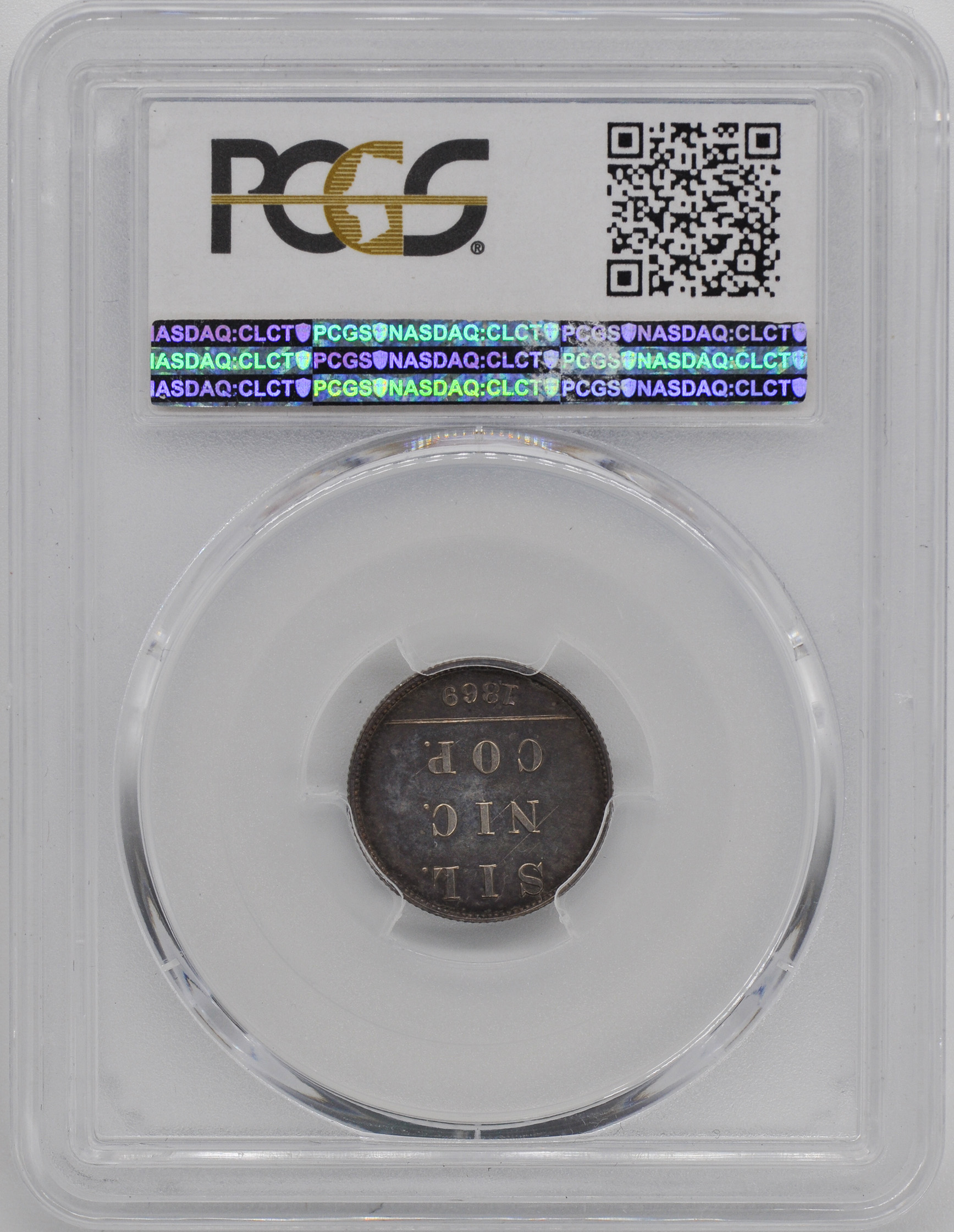
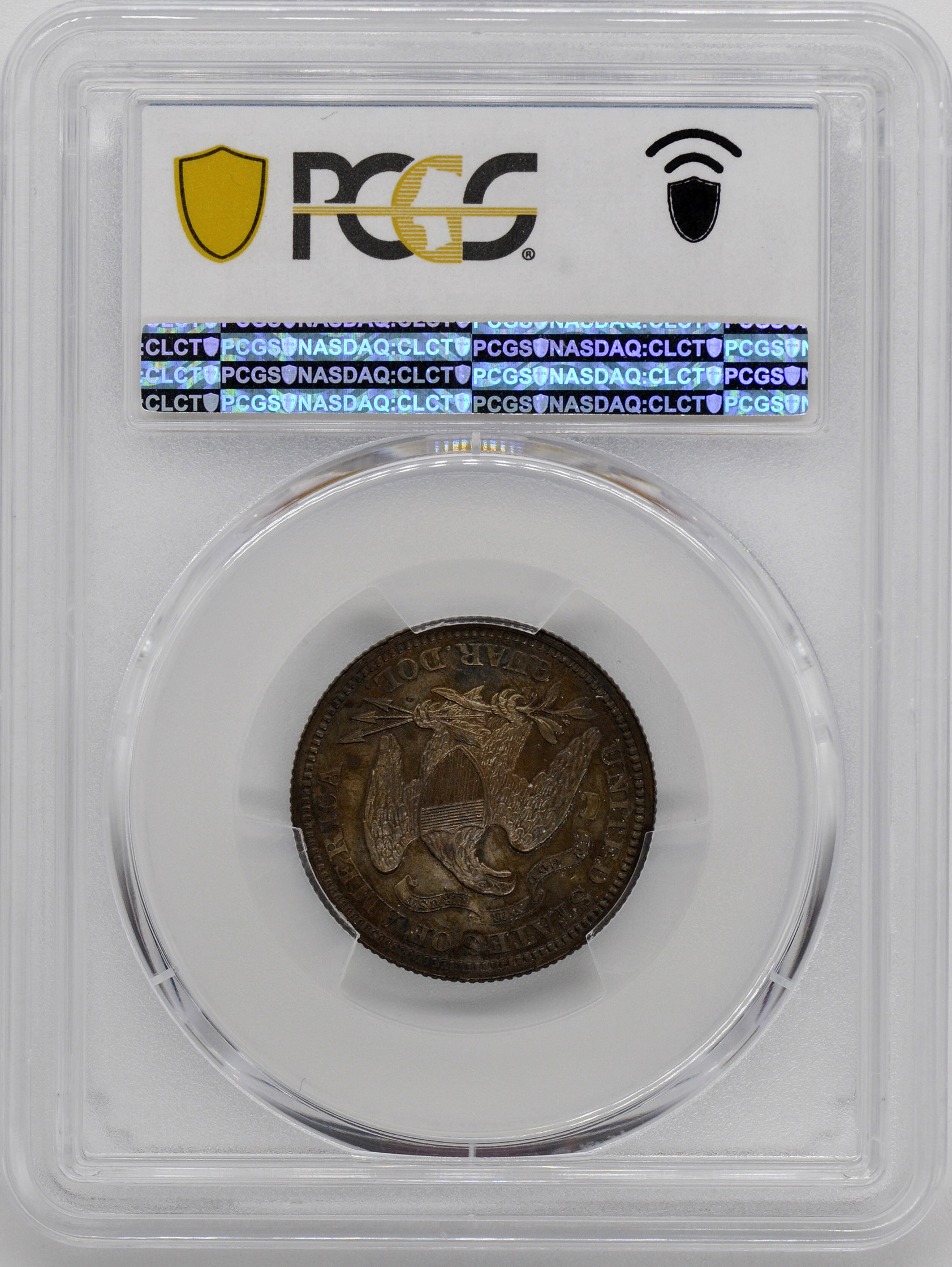
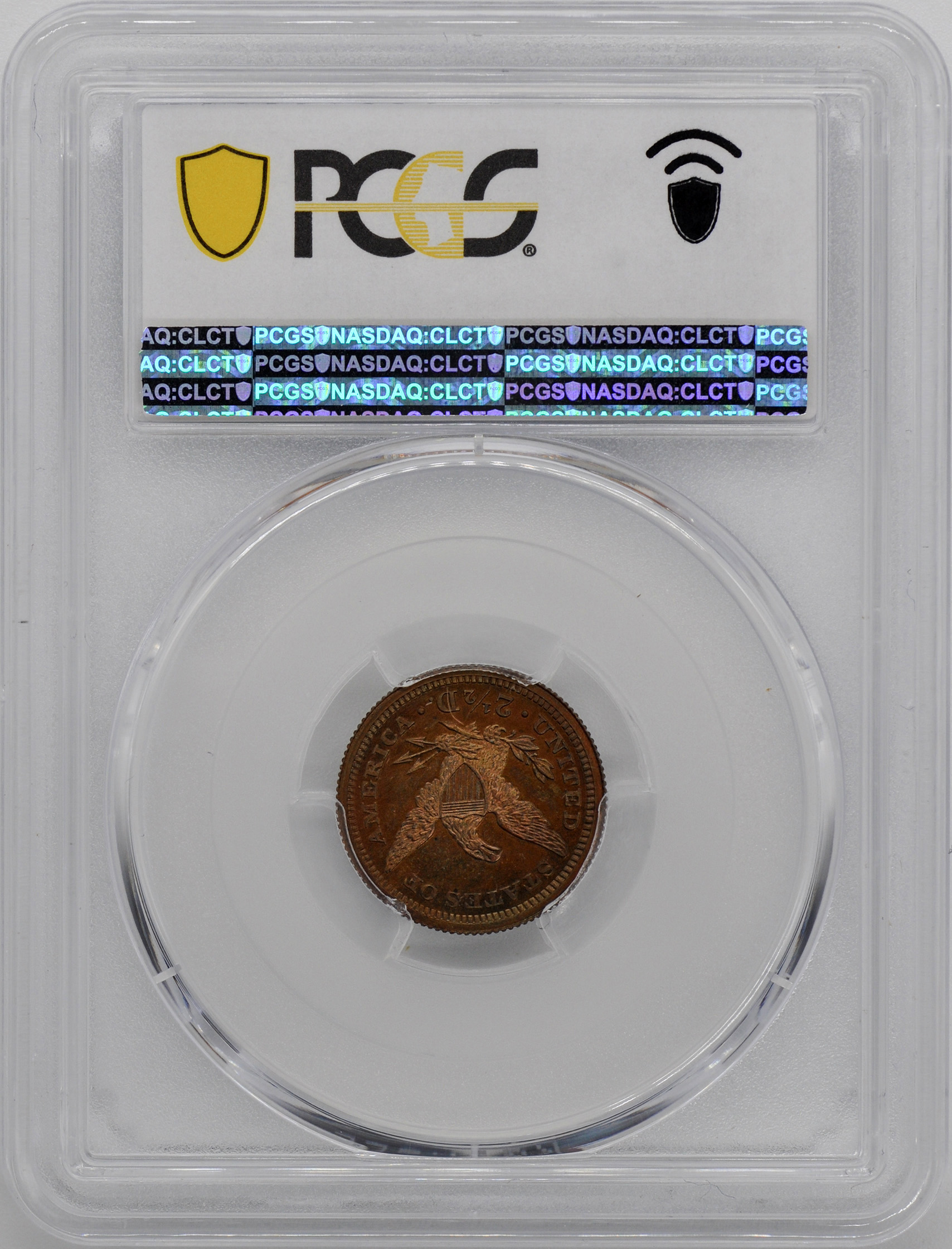
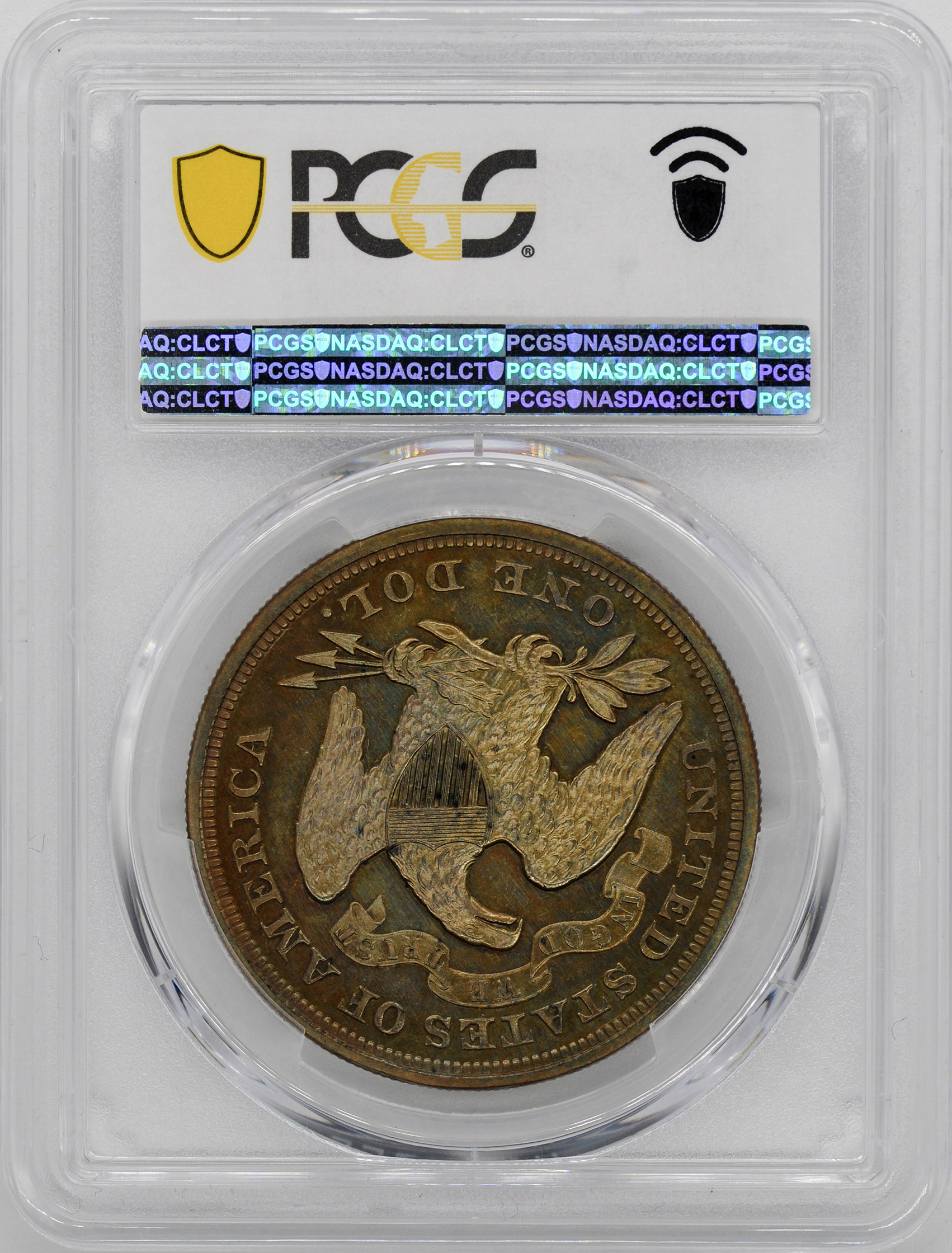
A superbly preserved and highly desirable Civil War–era pattern, this 1868 Three-Cent Nickel pattern, Judd-615, is certified PCGS PR67 Cameo and further endorsed by CAC, placing it among the most visually impressive survivors of this transitional experimental issue. Struck at Philadelphia in 1868, this pattern presents the familiar Longacre-inspired obverse portrait of Liberty facing left, her hair tied with a ribbon and crowned by a beaded diadem inscribed LIBERTY. The surrounding legend reads UNITED STATES OF AMERICA, with the date 1868 below. The reverse displays the Roman numeral III at center, enclosed within a graceful agricultural wreath composed of cotton, corn, wheat, and maple leaves, tied with a bow at the base. The design is both elegant and distinctly representative of the mid-19th century pattern coinage produced as the Mint refined its minor silver and nickel denominations. The present example offers exceptional technical quality and outstanding eye appeal consistent with its lofty Proof 67 Cameo designation. Deeply reflective fields contrast boldly with the satiny, sharply defined devices, producing the striking black-and-white cameo appearance so coveted by advanced collectors. The surfaces are notably well preserved, with only the faintest evidence of handling visible under close inspection, while the overall presentation is bright, silver-white, and attractively original. The strike is crisp throughout, with strong delineation on Liberty’s hair, coronet details, and the reverse wreath. Judd-615 belongs to the rich and fascinating pattern coinage of the late 1860s, a period when the United States Mint actively experimented with alternative compositions, motifs, and denominations. Pattern issues from this era have long held special appeal for collectors, combining official Mint status with limited production and often distinctive aesthetic refinement. The Three-Cent denomination itself occupies a unique niche in U.S. numismatics, and patterns related to the series enjoy enduring demand from both pattern specialists and type collectors seeking exceptional off-metal or experimental strikings from the Reconstruction era. In terms of rarity, this piece is especially compelling. With a reported population of just 2 at PCGS and none finer noted, it stands as a condition rarity of the highest order within the issue. The CAC endorsement adds another important layer of selectivity, confirming superior quality for the assigned grade and enhancing its desirability in today’s increasingly quality-conscious market. High-grade Cameo patterns from this period are avidly pursued, and examples at this elite level are seldom encountered. An important opportunity for the advanced collector, this 1868 Judd-615 combines historical interest, exceptional preservation, and top-tier certified quality in a single remarkable offering.